 Pre-Workshop Tutorial
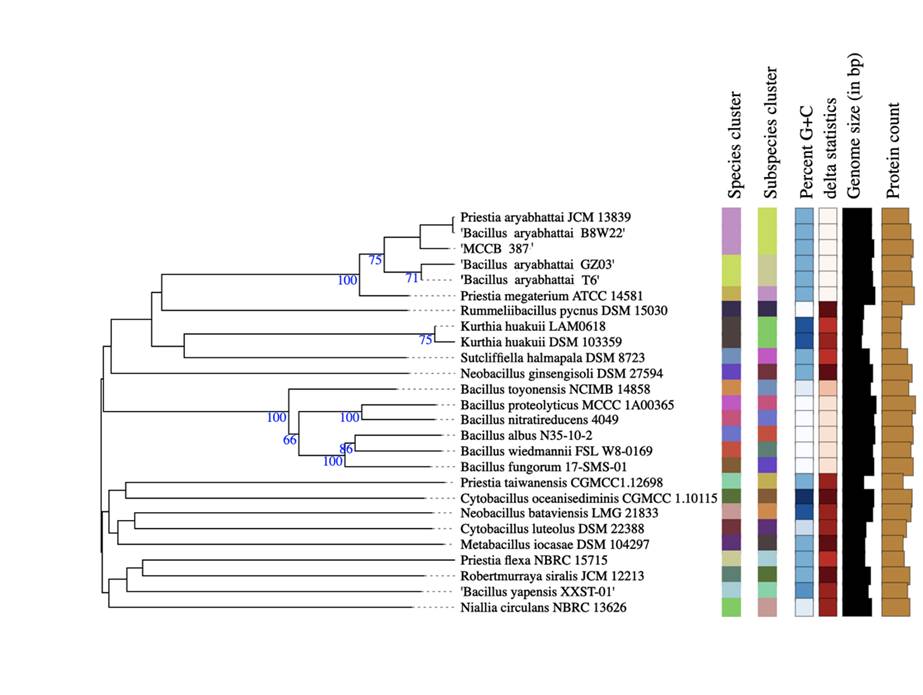
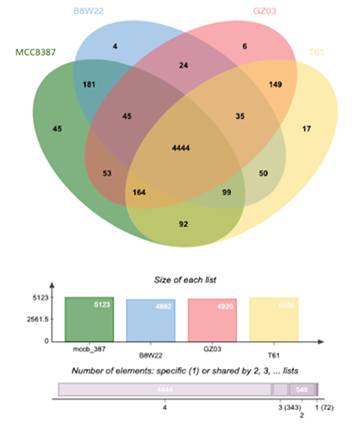
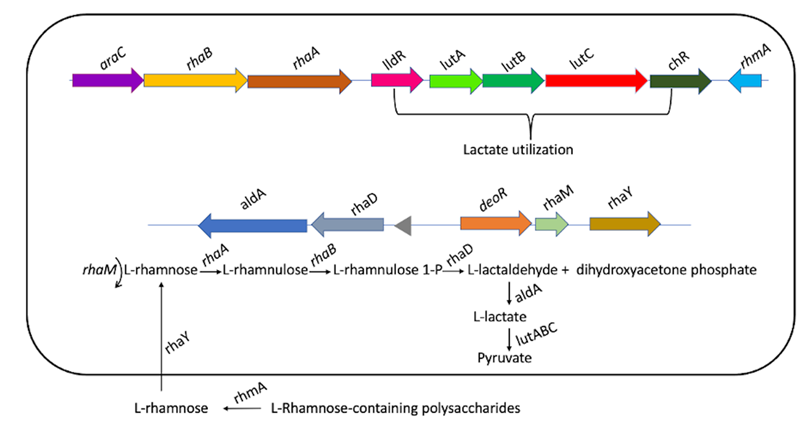
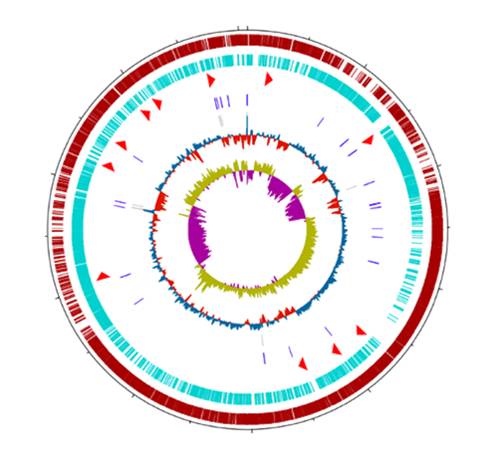
- Titus Susan Merlin, Md Umar, Sajeevan Thavarool Puthiyedathu. 2021. Genomic insights into symbiosis and host adaptation of an ascidian‑associated bacterium Bacillus aryabhattai MCCB 387. Symbiosis https://doi.org/10.1007/s13199-022-00860-1 view
- Sivakumar, K.C., Thavarool Puthiyedathu, S., 2021. Challenges and prospects of Viral Envelope protein VP28‐based control strategies to combat white spot syndrome virus in penaeid shrimps: a review. Rev. Aquac. 13, 734–743. https://doi.org/10.1111/raq.12497 view
- Sivakumar, K.C., Haixiao, J., Naman, C.B., Sajeevan, T.P., 2020. Prospects of multitarget drug designing strategies by linking molecular docking and molecular dynamics to explore the protein–ligand recognition process. Drug Dev. Res. 81, 685–699. https://doi.org/10.1002/ddr.21673 view
Being an interdisciplinary field, Computational biology and bioinformatics develops and applies computational methods to analyse large amount of biological data, such as genetic sequences, cell populations or protein samples, to make novel predictions or discoveries in biology. The computational methods used include analytical methods, mathematical modelling and simulation.
The feasibility in systematic data collection by genomics and proteomics technologies has greatly widened the gap between the available data and their biological interpretation. Direct individual testing won’t be able to close this gap given the volume of data collection. Thus the crucial means of bridging this gap is provided by computational and theoretical approaches to understanding biological systems. These tasks include computer modelling of biological processes, computational administration of large-scale projects, database building and data mining, algorithm development and high-performance computing, as well as statistical and mathematical analysis.
The bioinformatics and computational biology team of our centre aim to discover and disclose genetic interactions in organisms, molecular simulations for novel drug discovery, application of molecular systematics toward conservation of marine resources and in silico approaches for revealing the complex biological reactions.
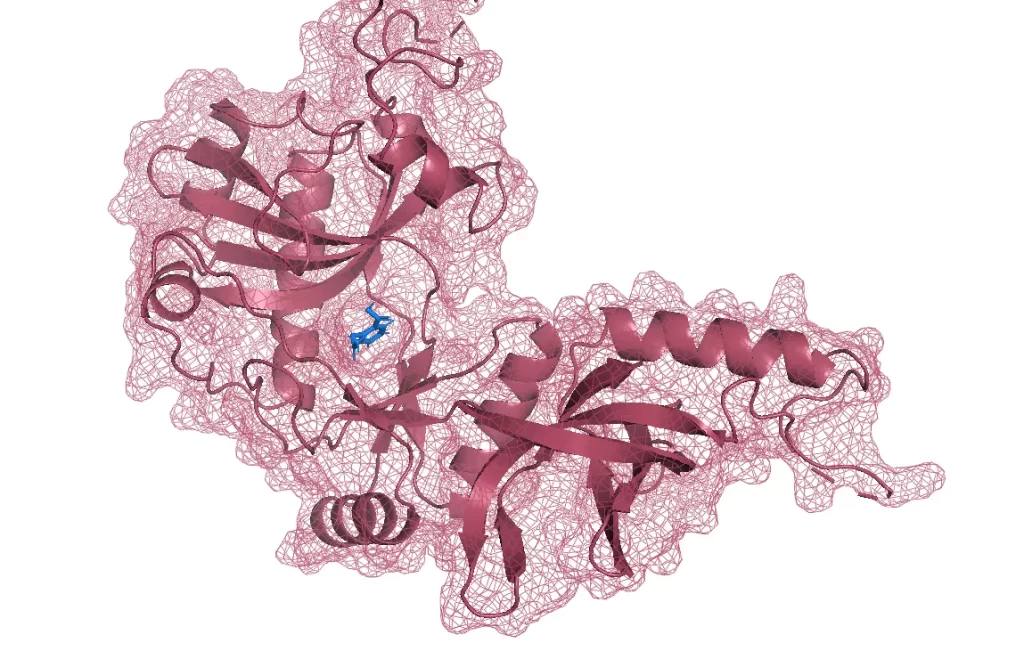
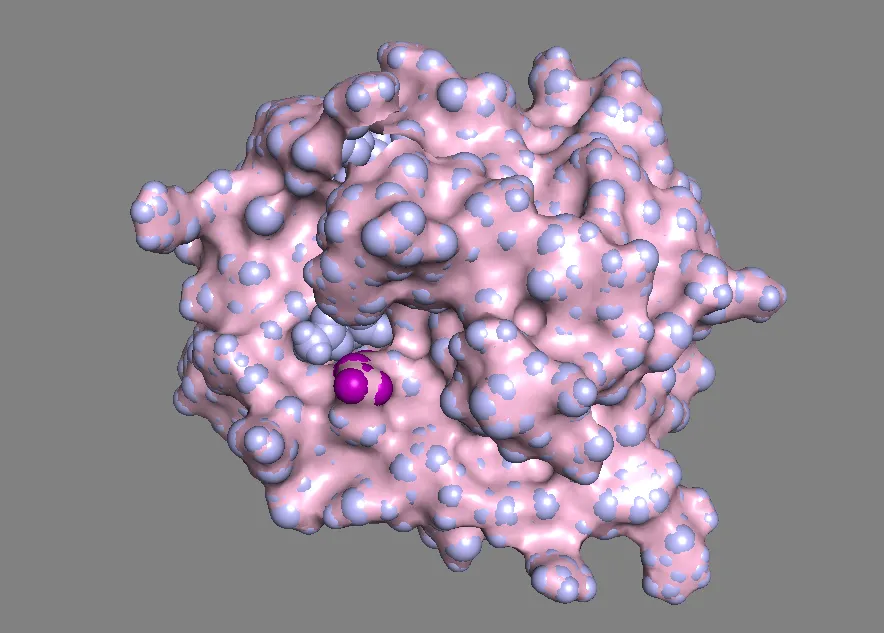
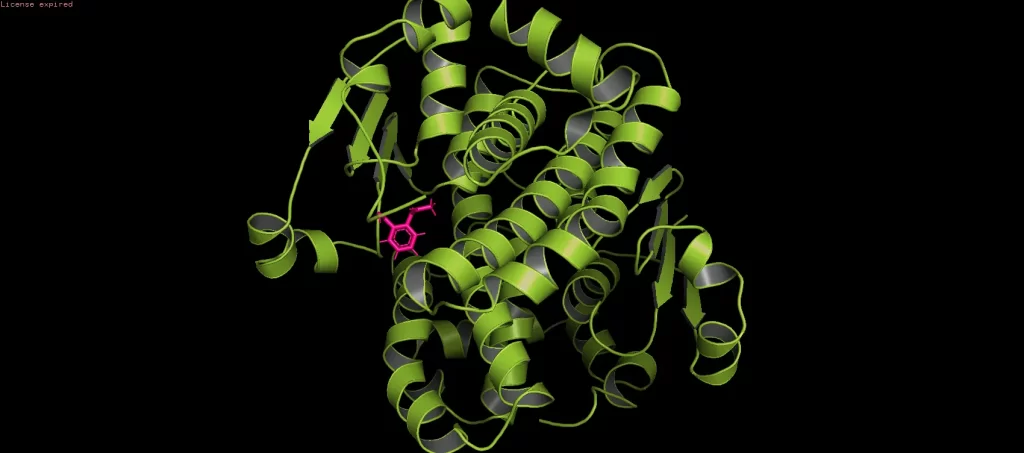
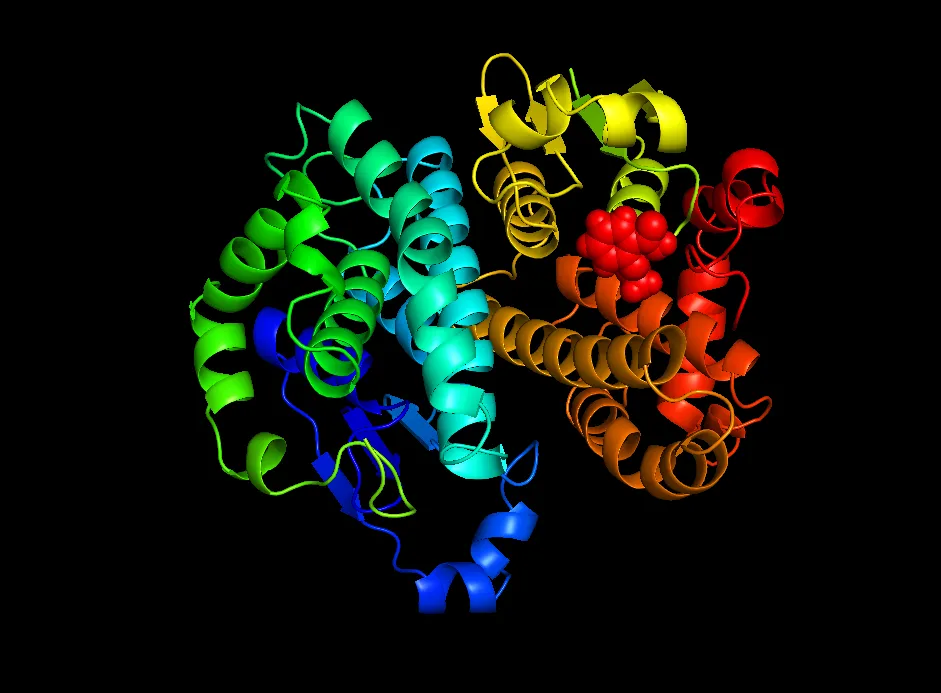

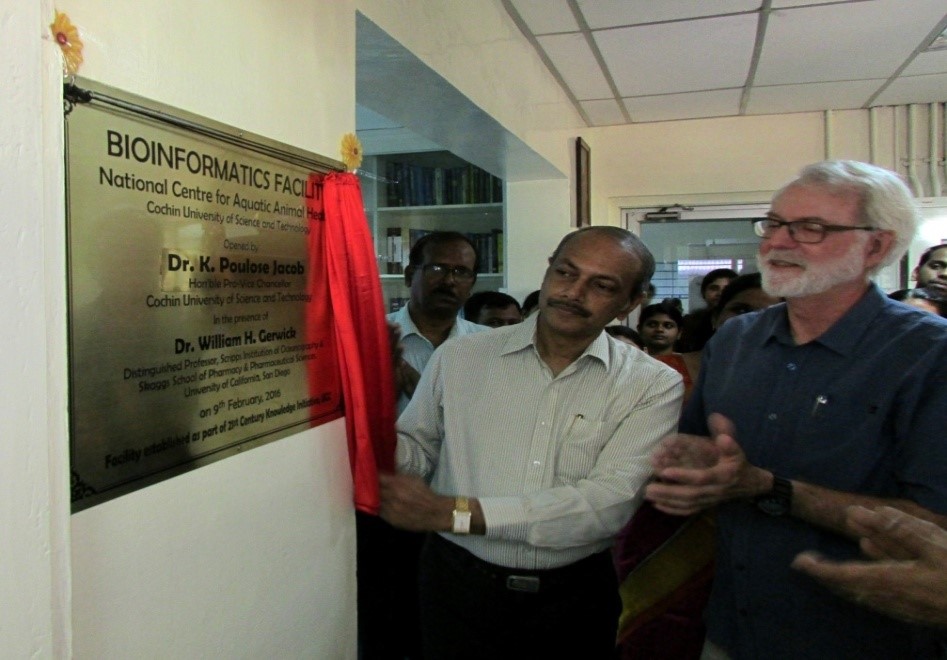
Opening of Bioinformatics Facility by Prof. K. Poulose Jacob, Pro-Vice Chancellor, Cochin University of Science and Technology in the presence ofProf. I.S. Bright Singh, Project Director (India)and Prof. William H. Gerwick, Centre for Marine Biotechnology and Biomedicine, Scripps Institution of Oceanography, UCSD, USA (Project Director, USA)
Recent Updates
- Molecular identification and characterization of endophytic and associated of nitrogen fixing bacteria associated with red macroalga Kappaphycus alvarezzii using 16S rRNA and nifH gene sequencing and could identify 21 potential bacterial isolates.
- Genomic insights into symbiosis and host adaptation of an ascidian-associated bacterium Bacillus aryabhattai MCCB 387 was studied and a paper was published.
- ‘Systems and Computational Biology’was taught as a course as a part of M.Tech. Marine Biotechnology programme to14 students (2021-2022) sponsored by DBT. Strong foundation in Bioinformatics, Systems and Computational biology was laid through problem oriented approaches for skill development, in order to facilitate finding answers to questions in marine biotechnology.
- Training on bioinformatics and computational biology (2021-2022) was provided to 227 candidates at various levels such as 44 at Graduate level, 144 at Postgraduate and PhD levels, 25 at Postdoctoral and Faculty levels and 14 at Higher Secondary School level.
- Under the synthetic biology component, a CVJ Centre for Metabolic Engineering and Synthetic Biology (CMESB) sponsored by M/s Synthite Group of Industries, Kerala is getting established at the University, which will be working closely with DBT-Bioinformatics Centre.
Research Projects
- “Establishment of Bioinformatics and Computational Biology Centre for Marine Bio-resource Conservation and Sustainable Utilization” funded by Department of Biotechnology, Govt. of India
- Indo-US initiatives on innovative reforms in marine biotechnology education and research and development of sustainable aquaculture production systems for inclusive economic growth and sustainable development” funded by University Grants Commission, Govt. of India (under the Indo-US 21st Century Knowledge Initiative)
Research Publications
–
- Sivakumar K.C. (2021) Structure based in silico screening for antiviral lead compounds from marine sources against White Spot Syndrome Virus: A multi-target drug discovery approach view view
Thrust Areas
- Determination of the extent of perturbation of a typical marine ecosystem by human activity and generation of early warning signs in the form of accurate NGS genomic data.
- Targeted drug discovery from marine biological systems focusing on applications such as virtual screening prediction (using appropriate classification algorithm) and drug efficacy and ADMET prediction (using appropriate regression algorithms)
- Building up synthetic biology platform for biosynthesis of various molecules such as pyocyanin and human resource development in associated areas.
- Application of NGS in aquatic animal model in assessing xenobiotics deleterious to environmental health under “one health concept”
Collaborating Institutes
Department of Biotechnology, Goa University.Funding Agencies
Department of Biotechnology, Govt of IndiaOur Team
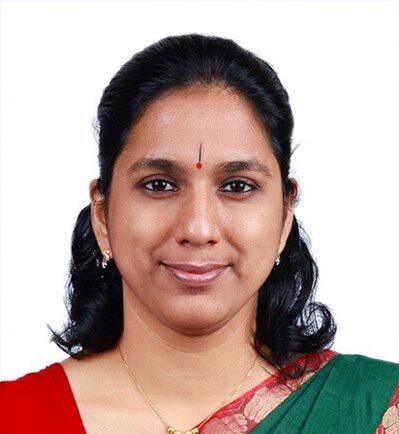
Prof. Valsamma Joseph
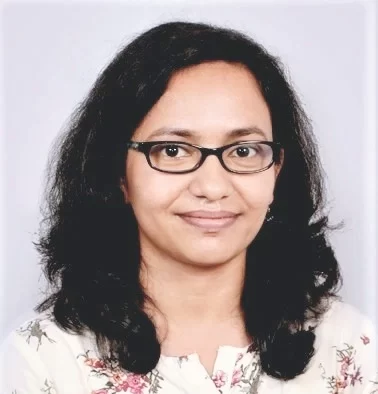
Dr. Silpa Bhaskaran
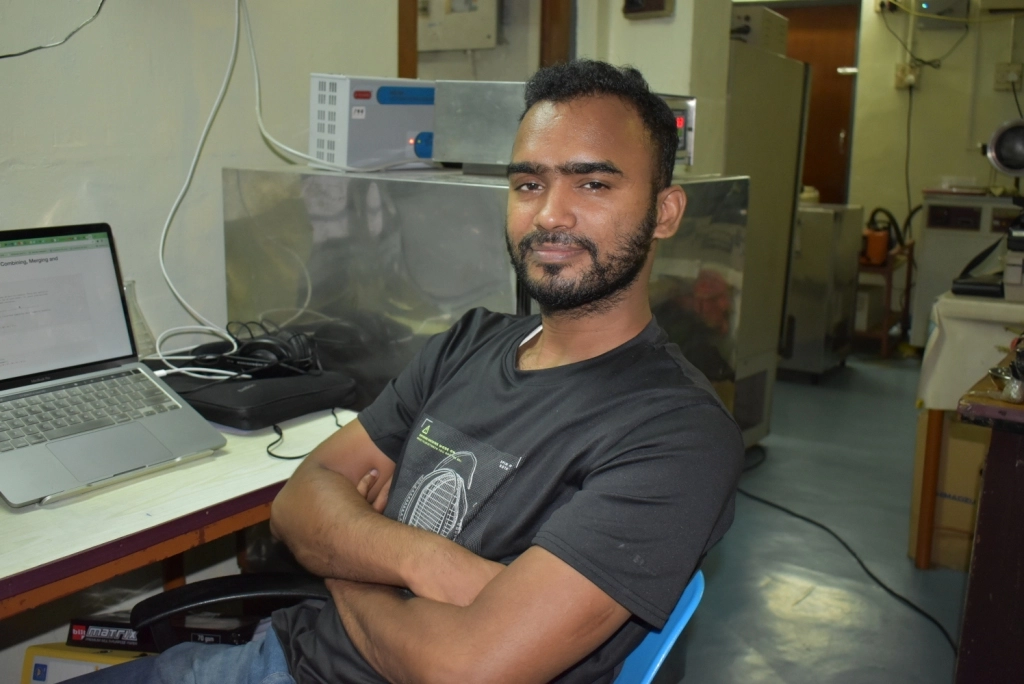
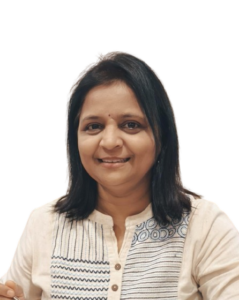 Dr. Megha Bedekar is a veterinary Microbiology and biotechnologist working in the area of veterinary and fish health for 20 years. Her research areas are application of advanced tools for development of vaccine and diagnostics for aquatic animals.
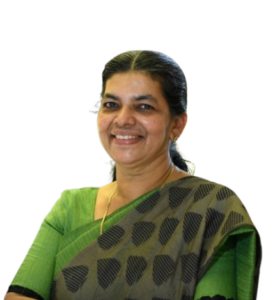 Prof. Rosamma Philip, former Dean of the Faculty of Marine Sciences, is a distinguished academic and researcher known for her significant contributions to aquaculture and marine biology. With a career spanning decades, she has been instrumental in advancing research on marine ecosystems, aquaculture practices, and aquatic organism health.
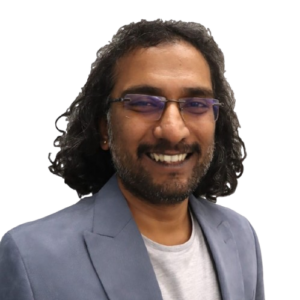 Dr. Parasuraman A. S., a Humboldt Postdoctoral Research Fellow at the Thünen Institute of Fisheries Ecology, Germany, is a skilled immunologist with over a decade of expertise in aquaculture and immunology research. His work focuses on enhancing fish health and disease resistance through immunomodulation and sustainable aquaculture practices.
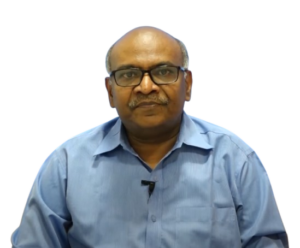 Shri G. Rathinaraj, a retired Senior Executive (Technical) from the National Fisheries Development Board (NFDB), Hyderabad, has made notable contributions to the development and promotion of aquaculture in India. With decades of experience, he has been instrumental in implementing innovative strategies to enhance aquaculture productivity, sustainability, and rural livelihoods.
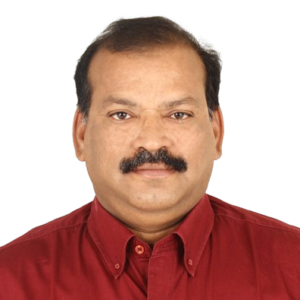 Dr. S. Kandan, the Director of the Rajiv Gandhi Centre for Aquaculture (RGCA), is a visionary leader and an expert in aquaculture development. Under his guidance, RGCA has made significant strides in advancing sustainable aquaculture practices, focusing on promoting innovative technologies and enhancing the productivity of aquaculture systems in India.
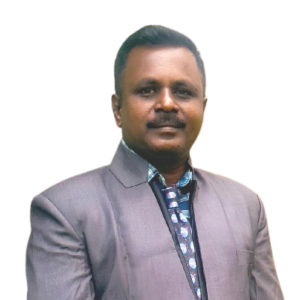 Prof. P. Chellapandi, Professor and Head of the Department of Bioinformatics at Bharathidasan University, Tiruchirappalli, is a distinguished academic with over 25 years of experience in research and teaching. His work integrates bioinformatics with sustainable technologies and healthcare solutions, contributing significantly to aquaculture advancements.
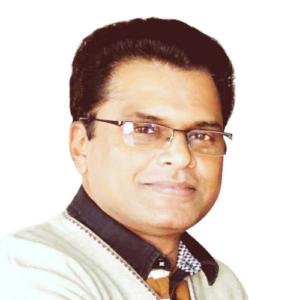 Dr. V. V. R. Suresh, Principal Scientist and Head of the Mariculture Division at ICAR-Central Marine Fisheries Research Institute (ICAR-CMFRI), is a distinguished scientist renowned for his significant contributions to aquaculture, particularly mariculture. With extensive expertise in the field, he focuses on sustainable mariculture, fisheries enhancement, and conservation.
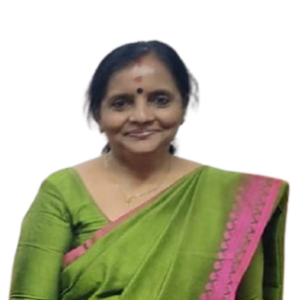 Dr. K. S. Sobhana, is a distinguished expert in marine biodiversity, environmental management, and sustainable aquaculture practices. Her research focuses on marine ecosystem conservation, the impact of environmental changes on aquaculture, and developing strategies to ensure sustainable utilization of marine resources.
 Dr. Basdeo Kushwaha, Principal Scientist and In-Charge of the National Repository of Fish Cell Lines (NRFC) at ICAR-National Bureau of Fish Genetic Resources (ICAR-NBFGR), Lucknow, is a renowned expert in fish cell culture, aquatic animal health, and biotechnology. His pioneering work in developing and maintaining fish cell lines has greatly contributed to the study of aquatic animal diseases, toxicology, and fish genetics, playing a vital role in the sustainable development of aquaculture.
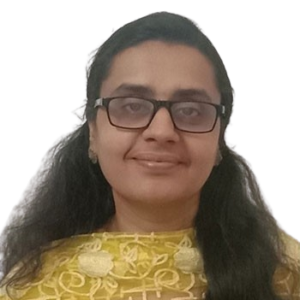 Dr. Preena P.G., Senior Lecturer at the Kerala University of Fisheries and Ocean Studies (KUFOS), Kochi, is a dedicated researcher and academic specializing in aquatic animal health and sustainable aquaculture practices. With extensive expertise in fish immunology, disease management, and microbiology, Dr. Preena has made significant contributions to advancing health management strategies for aquaculture species, particularly in addressing the challenges of emerging pathogens.
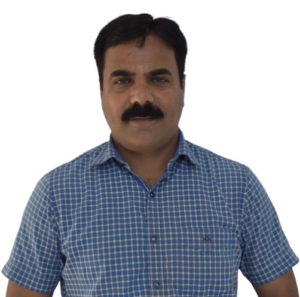 Dr. Imtiaz Ahmad Khan, a Professor in the Department of Zoology at the University of Kashmir, is a prominent researcher in the field of fisheries and aquaculture. With a strong focus on aquatic biodiversity, fish health, and sustainable aquaculture practices, he has made significant contributions to the development of aquaculture in the Himalayan and sub-Himalayan regions. His work emphasizes the sustainable management of aquatic resources and the conservation of endemic fish species while enhancing the productivity of aquaculture systems.
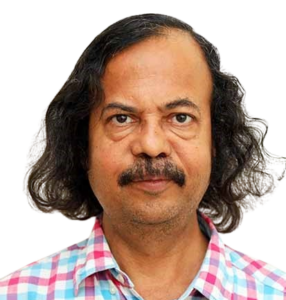 Dr. Subhendu Kumar Otta, Principal Scientist at the ICAR-Central Institute of Brackishwater Aquaculture (ICAR-CIBA), is a distinguished expert in aquatic animal health and aquaculture biotechnology. With extensive experience in disease diagnosis, pathogen characterization, and health management, he has made significant contributions to enhancing the sustainability and resilience of aquaculture systems, particularly in brackishwater environments.
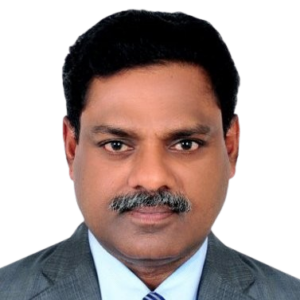 Dr. T. V. Anilkumar, Scientist G and Head of the Division of Experimental Pathology at the Sree Chitra Tirunal Institute for Medical Sciences and Technology, is a distinguished researcher known for his interdisciplinary contributions. With expertise in biomaterials, tissue engineering, and regenerative medicine, Dr. Anilkumar’s work has extended to developing sustainable solutions for aquaculture, particularly in the areas of health management and biomaterials for aquatic applications.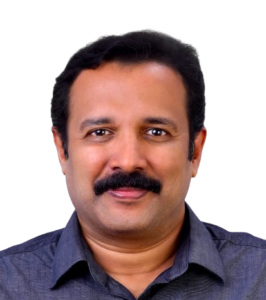
 Dr. Thitiwan Patanasatienkul, is a distinguished expert in aquatic animal health, with significant contributions to global aquaculture. Her work focuses on advancing health management practices, disease prevention, and biosecurity in aquaculture systems to support sustainable production and trade in aquatic products.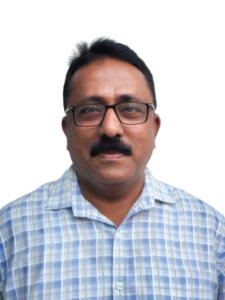
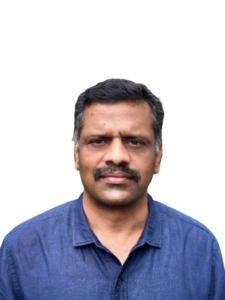 Dr. P. Jayagopal, Deputy Director at the Marine Products Export Development Authority (MPEDA), is a respected figure in aquaculture and seafood export development. With extensive experience in aquaculture management and policy implementation, he has made significant contributions to promoting sustainable aquaculture practices and enhancing India’s seafood export potential. His expertise spans areas such as aquaculture certification, disease management, and capacity building for stakeholders in the aquaculture value chain.
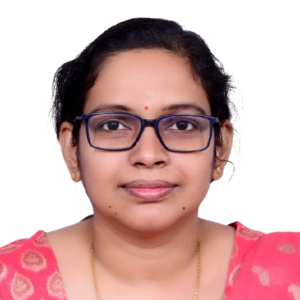 Dr. Sumithra T.G., Scientist at ICAR-Central Marine Fisheries Research Institute (ICAR-CMFRI), is an expert in microbiology with over a decade of experience, specializing in fish health and marine pathogen research. Since 2016, she has focused on characterizing pathogens and developing aquatic health management strategies to enhance mariculture production. Her work includes detailed profiling of bacterial, viral, and parasitic pathogens causing mortalities in cultured marine fishes, contributing valuable insights to the aquaculture sector through publications in peer-reviewed international journals.
 Padma Shri Dr. Modadugu Vijay Gupta is a globally renowned scientist celebrated for his transformative contributions to aquaculture and rural development. Often referred to as the “Father of Blue Revolution,” his pioneering work has revolutionized aquaculture practices, particularly in developing countries, by making fish farming accessible to resource-poor farmers. Dr. Gupta’s innovations in low-cost aquaculture technologies have significantly enhanced food security, nutrition, and livelihoods for millions.
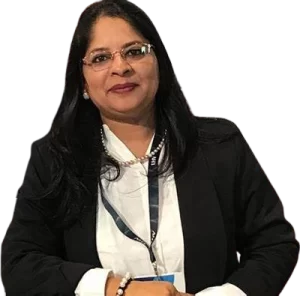 Dr. Subhashini C.R., Director of Aristogene Biosciences, is a prominent figure in the field of biotechnology with significant contributions to aquaculture health management. With expertise in molecular diagnostics and aquatic disease research, she has been instrumental in developing innovative solutions to address health challenges in aquaculture systems. Her work focuses on creating advanced diagnostic tools and health management products that enhance the sustainability and productivity of the aquaculture industry.
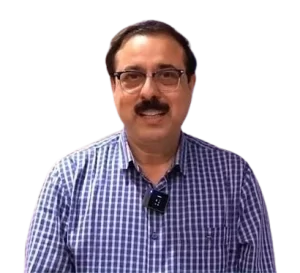 Dr. Pawan Dhar, is a renowned expert in synthetic biology and systems biology, with emerging contributions to aquaculture biotechnology. With a diverse scientific background, Dr. Dhar’s work emphasizes leveraging synthetic biology to address challenges in sustainable aquaculture and aquatic resource management.
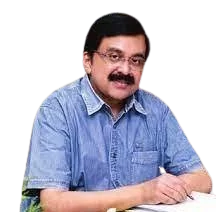 Dr. A. Gopalakrishnan, is a distinguished scientist whose contributions have significantly advanced marine fisheries and aquaculture research in India. With a career spanning decades, Dr. Gopalakrishnan played a pivotal role in promoting sustainable marine resource management, species diversification, and the development of mariculture technologies. Under his leadership, ICAR-CMFRI made remarkable strides in areas such as open-sea cage farming, marine biodiversity conservation, and stock enhancement programs.
 Dr. S. R. Krupesha Sharma, a Principal Scientist at the ICAR-Central Marine Fisheries Research Institute (ICAR-CMFRI), is a distinguished expert in marine aquaculture and sustainable mariculture practices. With extensive experience in developing innovative technologies and farming systems, his work has significantly advanced India’s marine aquaculture sector, particularly in the production of high-value species. Dr. Sharma specializes in seed production, grow-out culture, and the development of sustainable farming methods for finfish, shellfish, and seaweed, contributing to enhanced productivity and profitability for coastal communities.
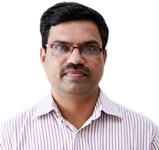 Dr. P.K. Patil, Principal Scientist in the Aquatic Animal Health and Environment Division at the ICAR-Central Institute of Brackishwater Aquaculture (ICAR-CIBA), is a leading expert in aquatic animal health and disease management. His work has significantly contributed to the sustainability and productivity of brackishwater aquaculture in India, focusing on health management strategies for farmed shrimp and fish species. Dr. Patil’s research addresses critical challenges such as disease outbreaks, biosecurity, and the environmental impact of aquaculture practices.
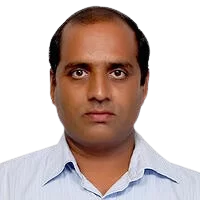 Dr. Prem Kumar, a Senior Scientist in the Finfish Culture Division at the ICAR-Central Institute of Fisheries Education (ICAR-CIFE), is recognized for his contributions to finfish aquaculture and sustainable fish farming practices. His research focuses on advancing breeding, seed production, and grow-out techniques for economically important finfish species, essential for enhancing fish farming efficiency and profitability. Dr. Kumar has been instrumental in developing improved methods for breeding and rearing native fish species, supporting biodiversity conservation while boosting aquaculture productivity in India.
 Dr. David Verner-Jeffreys is a Senior Scientist at WorldFish and an esteemed expert in aquatic animal health and aquaculture biosecurity. With a background in fish pathology and disease management, Dr. Verner-Jeffreys has dedicated his career to developing solutions that enhance disease prevention and sustainable health practices in aquaculture systems globally. His research focuses on combating infectious diseases that impact fish farming, particularly in developing countries, where aquaculture plays a crucial role in food security and livelihoods.
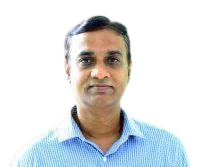 Dr. M. Shashi Shekhar, is a distinguished expert in aquatic animal health and environmental management in brackishwater aquaculture. With extensive experience in fish and shrimp health management, his work addresses critical challenges in disease prevention, environmental sustainability, and biosecurity, contributing to the growth and resilience of India’s brackishwater aquaculture sector. By emphasizing biosecurity, environmental monitoring, and eco-friendly health management practices, Dr. Shekhar has contributed to enhancing the resilience and sustainability of shrimp and fish farming.
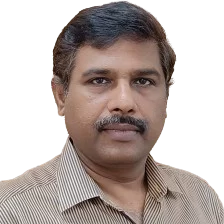 Dr. T. Raja Swaminathan is a renowned scientist at the ICAR-Central Institute of Fisheries Technology (ICAR-CIFT) in Kochi, India, with expertise in fish health management, aquaculture biosecurity, and disease diagnostics. His work focuses on addressing challenges related to aquatic animal health, particularly in ensuring sustainable and safe practices in India’s aquaculture industry. Dr. Swaminathan is recognized for his contributions to the detection and control of fish and shellfish diseases, which are critical for enhancing productivity and reducing economic losses in aquaculture.
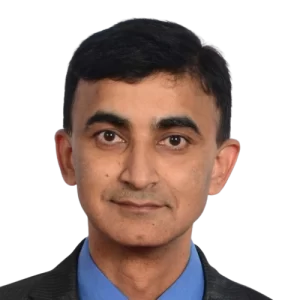 Dr. Neeraj Sood, a distinguished scientist at the ICAR-National Bureau of Fish Genetic Resources (ICAR-NBFGR) in India, is recognized for his work in fish genetics, conservation, and sustainable aquaculture practices. His research focuses on the genetic characterization and conservation of fish biodiversity, which is critical for protecting valuable genetic resources and promoting sustainable aquaculture. By identifying and cataloging fish species and their genetic diversity, Dr. Sood has contributed to the preservation of native fish species, ensuring that these resources can support resilient and productive aquaculture systems in India.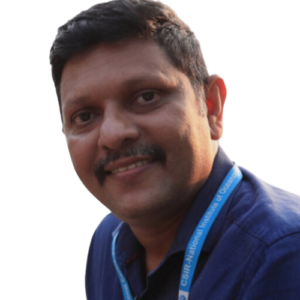
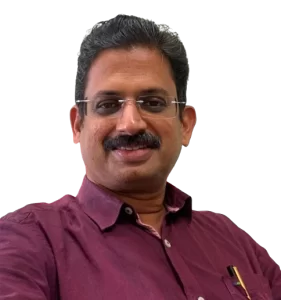 Dr. B. Santhosh, a leading scientist at the Vizhinjam Regional Centre of the ICAR-Central Marine Fisheries Research Institute (ICAR-CMFRI), is known for his impactful contributions to marine aquaculture and coastal fisheries development in India. His work focuses on advancing sustainable practices in mariculture, particularly in seed production, hatchery technology, and the cultivation of high-value marine species like finfish, shellfish, and sea cucumbers. Dr. Santhosh’s research has played a critical role in supporting livelihood opportunities for coastal communities by promoting aquaculture as a viable and environmentally sustainable industry.
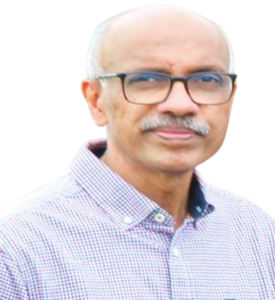 Dr. K.V. Rajendran is a prominent aquaculture scientist at the ICAR-Central Institute of Fisheries Education (ICAR-CIFE) in India, recognized for his expertise in fish health management and aquatic animal disease control. With a focus on advancing disease diagnostics, biosecurity, and sustainable health practices in aquaculture, Dr. Rajendran’s work has greatly contributed to improving the resilience and productivity of India’s aquaculture sector. His research addresses major challenges related to fish and shellfish health, particularly in diagnosing and managing viral, bacterial, and parasitic diseases that impact farmed species.
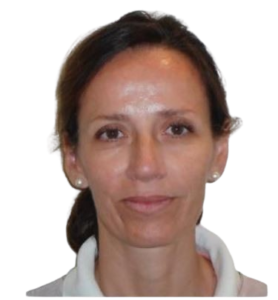 Dr. Victoria Alday-Sanz is a renowned aquaculture expert at National Aquaculture Group (NAQUA) in Saudi Arabia, recognized globally for her work in shrimp health management, biosecurity, and sustainable aquaculture practices. With a background in veterinary science and extensive experience in aquatic animal health, Dr. Alday-Sanz has played a critical role in advancing shrimp farming practices to enhance productivity while maintaining rigorous biosecurity standards. Her work is instrumental in addressing major health challenges in shrimp aquaculture, particularly in the prevention and management of viral and bacterial diseases that can impact large-scale operations.
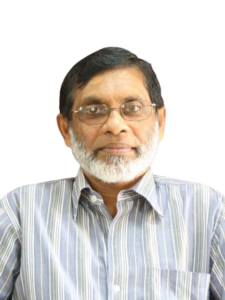 J.M.P.K. Jayasinghe is a distinguished figure in aquaculture, known for his contributions to sustainable fish farming practices, particularly in Asia. With a focus on innovative aquaculture technologies and resource management, he has dedicated his career to improving the productivity, efficiency, and environmental sustainability of aquaculture systems. Jayasinghe has been involved in developing best practices that help small-scale and commercial farmers enhance yields while minimizing the environmental impact, which is crucial for both economic growth and ecological health.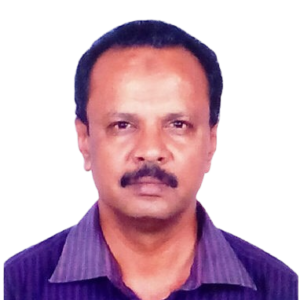
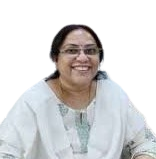 Dr. Vasant Kripa is the former Member Secretary of the Coastal Aquaculture Authority (CAA) in Chennai, India, and a highly respected scientist in marine biology, coastal aquaculture, and environmental management. With a career spanning over three decades, Dr. Kripa has been instrumental in developing policies and practices that promote sustainable and responsible coastal aquaculture in India. Her work has focused on balancing the growth of aquaculture with environmental conservation, ensuring that coastal ecosystems remain resilient and productive.
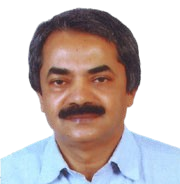 Dr. K.M. Shankar is the Vice Chairman of the Asian Fisheries Society, Indian Branch, and former Dean of the College of Fisheries in Mangalore, India. A highly respected figure in fish health management and aquaculture, Dr. Shankar has contributed significantly to advancing aquaculture science, particularly in aquatic animal health, biotechnology, and sustainable fisheries. His research focuses on pathogen detection, disease management, and biosecurity in aquaculture, addressing key challenges to improve productivity and sustainability in the industry.
 Prof. Arun K. Dhar is a Professor and Director of the Aquaculture Pathology Laboratory at the School of Animal & Comparative Biomedical Sciences, The University of Arizona, USA. An expert in aquaculture pathology and virology, Prof. Dhar is highly regarded for his research on diseases affecting shrimp and other aquatic species. His work focuses on identifying, understanding, and managing viral pathogens that pose significant threats to aquaculture industries globally.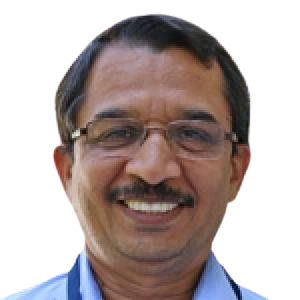
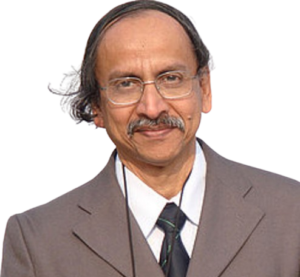 Dr. Iddya Karunasagar is a distinguished Indian microbiologist and food safety expert, known for his pioneering work in aquatic microbiology, aquaculture health, and public health. His research focuses on seafood safety and disease management in aquaculture, with significant contributions to understanding and controlling microbial pathogens, such as Vibrio species, which affect marine organisms. His work has helped develop diagnostic tools and strategies that promote sustainability in aquaculture and ensure safer seafood.
 Dr. Pramoda Kumar Sahoo is the Director-cum-ICAR National Professor at the Indian Council of Agricultural Research-Central Institute of Freshwater Aquaculture (ICAR-CIFA). A leading expert in fish health management and aquatic animal diseases, Dr. Sahoo’s work focuses on advancing disease control, immunology, and molecular biology in freshwater aquaculture. His research is pivotal in improving the health, resilience, and sustainability of India’s aquaculture industry, which plays a vital role in food security and rural livelihoods.
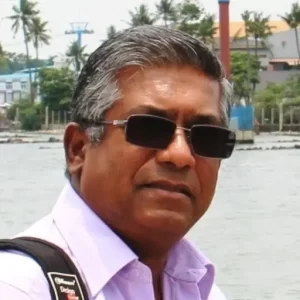 Dr. Rohana Subasinghe is the Managing Director of FutureFish, a consultancy specializing in sustainable aquaculture and fisheries development. With over 30 years of experience in aquaculture, aquatic animal health, and international fisheries, Dr. Subasinghe is a globally recognized expert dedicated to promoting sustainable practices that support food security, environmental protection, and socioeconomic growth.
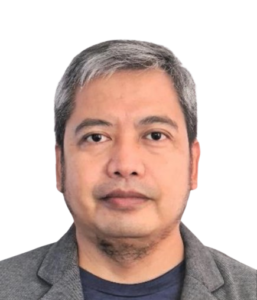 Dr. Eduardo Leano is the Director General of the Network of Aquaculture Centres in Asia-Pacific (NACA), an intergovernmental organization focused on sustainable aquaculture development in the Asia-Pacific region. With a strong background in aquatic animal health and pathology, Dr. Leano has dedicated his career to advancing sustainable aquaculture practices, improving disease management, and promoting biosecurity within the industry.